Dealing with enamel that's worn thin and discolored despite good habits? Dentist Open Now finds a Wickes, AR specialist who handles this specific case regularly and has room to see you.

Call and a coordinator checks live openings with a specialist while you're on the line.
+1-866-227-2801
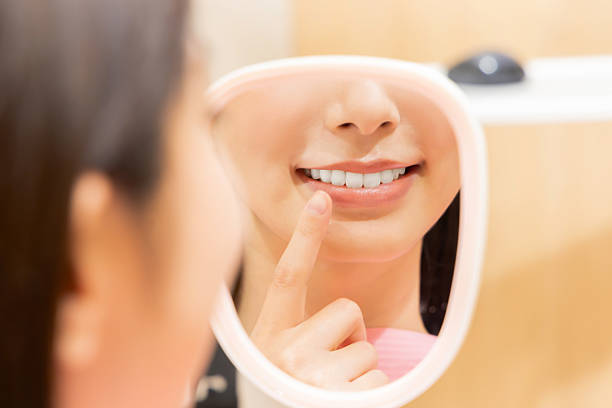
A veneer is a thin shell, usually porcelain or sometimes composite resin, bonded to the front of a tooth to reshape it, resize it, or change its color. Composite bonding is quicker and cheaper per tooth; porcelain holds up longer and mimics natural enamel more convincingly.
Getting veneers usually means a thin layer of enamel is removed first, so the shell sits flush instead of bulky. A digital or physical mock-up shows the expected shape and shade before the permanent veneers are fabricated.
Veneers won't stop new decay from forming on the rest of the tooth, so routine cleanings still matter just as much afterward. Grinding at night is a common reason veneers chip early, so a nightguard is often recommended alongside the procedure.
You approve shape and shade digitally before the lab makes the final porcelain shells. Adjustments to the mock-up happen before any permanent work, not after.
Both material options are explained with their tradeoffs for your specific case. Neither option is pushed by default; the choice depends on what you're optimizing for.
Some cases qualify for ultra-thin veneers requiring little to no enamel removal. Whether you qualify depends on your existing tooth shape and alignment, assessed at consultation.
Veneers are matched to your natural teeth or your target brighter shade. A shade guide and sometimes a trial smile help confirm the choice before the final shells are made.
Our network specialists cover the full range of this procedure, from the routine case to the complicated one.
Lab-made shells bonded to the front of teeth, lasting ten to fifteen years with care.
Sculpted and bonded directly to the tooth in a single visit, at lower cost than porcelain.

Several front teeth veneered together for a coordinated, symmetrical result.
Preserves more of your natural tooth than traditional veneer prep.
A single damaged veneer is usually addressed individually.
You see the planned shape and shade digitally before committing.
You describe what's going on in a minute or two; no automated menu to fight through first.
We match you with a nearby specialist experienced in this exact procedure and check real-time openings.
The specialist examines your case, often with same-visit imaging, and gives you a cost estimate before starting anything.
Treatment proceeds on the agreed plan, with aftercare instructions and a follow-up if the case calls for one.
"Called and they were upfront that my usual office was booked, then found me somewhere open the same week."
"Price on the phone matched the invoice exactly. No surprise charges at all."
"Was honest that the closest office was full and got me into a nearby one instead of leaving me stuck."
Because enamel is prepped away, veneers generally aren't meant to be removed and left bare.
A decade or more is typical, though grinding habits can shorten that.
Modern porcelain mimics natural enamel translucency, and shade-matching avoids an obviously artificial look.
Enamel prep is done under local anesthesia, so the process itself generally isn't painful.
Crowns suit more structurally damaged teeth; veneers are a cosmetic front-surface fix.
Cost varies by material choice and is quoted per tooth before you commit.
Our coverage spans Wickes and its surrounding area, matching you with the closest available specialist who's actually open.
Licensed to practice in AR, verified before referral.
A short call is all it takes to get this on the calendar this week.
Call +1-866-227-2801 Now